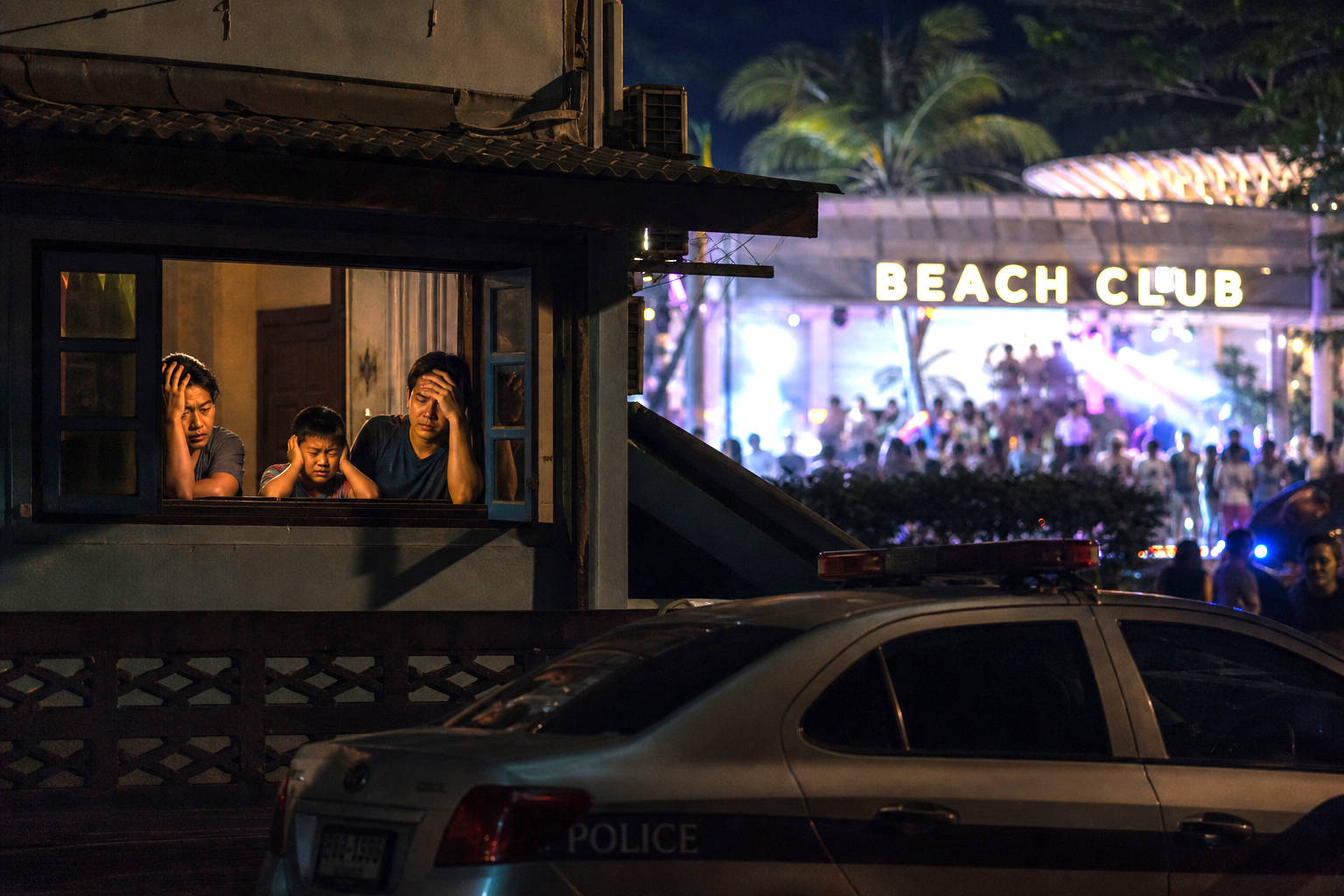
The crisis in Bang Tao and Cherngtalay has long transcended local noise complaints. While residents continue to endure nightly “torture” from oversized sound systems blasting heavy bass until the early hours of the morning in strict residential zones, a much larger, systemic web of illegality is being unraveled.
Beyond flagrantly violating noise ordinances, operating without valid liquor licenses, and encroaching upon public beaches and state land, many of these notorious foreign-backed venues are now squarely in the crosshairs of a national financial investigation.
The 5 Billion Baht Question: Financial Trails and Nominee Networks
The Interior Ministry has ordered intensive financial trail investigations into more than 100 Phuket companies suspected of operating through illegal foreign nominee networks. Combined, these targeted entities generated an estimated revenue exceeding 5 billion baht last year. Whether high-profile spots in Bang Tao like Maya Beach Club, Yuuhi Beach Bar and Karaoke and others – which have been making massive profits while occupying public land and ignoring Thai laws – will survive these audits is something we will likely find out in the very near future. Ultimately, local residents firmly believe that the government will extend these rigorous audits to all such highly profitable entities, ensuring that no one is above the law.
For years, foreign-owned or foreign-backed beach clubs and entertainment venues operated with near-total impunity, hiding behind complex ownership structures. They used Thai nationals as proxy shareholders or front-persons to bypass the strict ownership restrictions outlined in the Foreign Business Act. While these venues generate massive profits for foreign investors, local communities are left dealing with environmental degradation, noise pollution, and stolen public space.
Closing the Loopholes: Thailand’s New Post-Registration Scrutiny
To combat these evasive tactics, the Thai government has introduced sweeping legal measures. The Department of Business Development (DBD) under the Ministry of Commerce launched tougher anti-nominee checks, expanding oversight beyond the initial company registration stage.
Key elements of the new regulatory framework include:
- Lifecycle Scrutiny: Businesses that subsequently modify their shareholder structures, directors, or authorized signatories now face mandatory background checks.
- Proof of Financial Capacity: Companies involving foreign participants or authorized signatories must submit formal written investment explanations accompanied by three months of bank statements from both the Thai investor providing the funds and the entity receiving them.
- Inter-Agency Database Linking: The DBD is actively cross-referencing shareholder identities with civil registration databases and the Land Department to clamp down on unlawful land-holding arrangements.
Will Lawless Venues Survive the Audit?
As the government widens its nationwide sweeps – following high-profile crackdowns in regions like Koh Samui, Hua Hin, and Phuket – the pressure on outlaw beach clubs is reaching a boiling point.
Many of these venues have historically relied on token fines, seasonal bribes, and manipulation (such as forcing local workers to protest on their behalf) to keep operating after closures. However, financial transparency rules and cross-agency asset tracking make it increasingly difficult to hide behind paper fronts.
Will these clubs pass the new government checks? For the vast majority hiding behind illicit nominee arrangements, survival looks grim. As authorities dig deeper into bank trails and land registries, the era of lawless beach expansion and midnight noise impunity in Phuket is finally meeting its match.
What specific steps do you think local authorities in Phuket should prioritize next to ensure these venues cannot simply re-open under new proxy names?